
Working Capital Loans: The Cash Flow Lifeline Your Business Needs Right Now
Cash flow feeling tight?
Payroll is approaching. Inventory needs replenishing. A promising project is waiting for upfront investment.
What now?
Working capital loans can give your business the breathing room to keep moving, without putting growth on pause. These short-term financing solutions help cover everyday operating costs, smooth uneven revenue, and turn urgent financial pressure into a practical action plan.
What are working capital loans?
A working capital loan is a type of small business loan designed for daily business expenses.
Keep momentum moving
Your credit score isn't your ceiling.
Qualify with as little as 4 months in business and no minimum FICO — compare offers from top financing partners and pick the terms that fit.
See My Real OptionsUnlike financing for a specific asset, working capital funds can typically support a wide range of operational needs, including:
- Payroll and contractor payments
- Inventory and supplies
- Rent and utilities
- Marketing campaigns
- Insurance premiums
- Seasonal expenses
- Vendor invoices
- Short-term cash flow gaps
- Customer orders awaiting payment
Think of it as a flexible financial cushion.
Not a magic wand. Not a forever solution. A useful tool for keeping the lights on, the shelves stocked, and the next opportunity within reach.
According to CNBC Select, working capital loans are generally short-term products, often repaid in two years or less. Exact loan amounts, rates, fees, and repayment schedules vary by lender and business profile.
Why do profitable businesses still need working capital?
Revenue does not always arrive when expenses are due.
That timing mismatch can create surprisingly stressful moments:
- Your customer pays in 45 days.
- Your supplier wants payment today.
- Your team needs payroll on Friday.
- Your busy season requires inventory before sales begin.
- A new contract needs equipment or labor upfront.
Your business may be healthy. Your cash flow may simply be doing a little dance.
Working capital financing can help bridge the gap between money going out and money coming in.
Use it to:
- Protect payroll
- Accept larger customer orders
- Capture seasonal demand
- Purchase supplies at better prices
- Cover temporary revenue dips
- Keep vendors paid on time
- Fund marketing that supports measurable growth
The goal is simple: stabilize today so you can build tomorrow.

Working capital loans vs. other small business loans
Which funding option fits your situation?
Start with the job your money needs to do.
Choose working capital financing when you need to:
- Cover flexible operating expenses
- Manage a short-term cash flow gap
- Fund inventory or payroll
- Respond quickly to a new opportunity
- Support expenses across several business categories
Consider equipment financing when you need to:
- Purchase machinery
- Upgrade vehicles
- Buy computers or specialized tools
- Finance a clearly defined piece of equipment
Consider accounts receivable financing when you need to:
- Unlock cash tied up in unpaid invoices
- Improve cash flow while customers pay
- Turn approved receivables into working funds
Consider a line of credit when you need to:
- Draw funds repeatedly
- Pay interest only on what you use
- Keep flexible access available for future needs
Consider SBA financing when you need to:
- Fund a larger, long-term business goal
- Explore potentially competitive terms
- Support expansion, real estate, or major investments
The U.S. Small Business Administration explains that SBA-guaranteed loans may offer flexible terms, lower down payments, and support for qualifying businesses. However, SBA loans can take longer to process than technology-driven working capital solutions.
How much working capital should you request?
More money is not always better money.
Borrow with purpose. Build a simple funding target before applying.
Add your immediate needs:
- Payroll
- Rent
- Inventory
- Utilities
- Vendor balances
- Essential marketing
- Emergency operating costs
Subtract available cash:
- Current business savings
- Expected customer payments
- Confirmed receivables
- Other available resources
Add a modest operating cushion:
- A small buffer for unexpected expenses
- A realistic allowance for timing delays
- Enough room to avoid instantly needing more funding
Then ask:
- What expense does this funding solve?
- When will the money create or protect revenue?
- Can the business handle the expected repayment?
- Is the repayment schedule compatible with weekly cash flow?
- Would a smaller amount solve the same problem?
Keep the request focused. A clear plan can make the application process smoother, and help you avoid borrowing more than your business needs.
Can you get business loans for bad credit?
Possibly, yes.
Business owners searching for business loans for bad credit may still have options, especially when current revenue and bank activity show a consistent business operation.
Traditional lenders often focus heavily on credit history. Alternative and fintech-enabled financing may also consider:
- Monthly business revenue
- Recent bank deposits
- Time in business
- Industry
- Cash flow patterns
- Existing obligations
- Overall ability to repay
That does not mean bad credit disappears from the conversation. It may affect pricing, repayment terms, approval amount, or available products.
At FMC, you can apply across diverse credit profiles. The financing page states that there is no minimum FICO score required to apply, while many top options may have a minimum around 660. Some businesses may qualify with as little as four months in business, depending on the offer and eligibility criteria.
You may also need approximately $10,000 or more in monthly gross sales for available financing options. Requirements vary, so review the offer carefully.

What makes FMC different?
Need speed? Prefer clarity? Want options instead of a one-size-fits-all answer?
FMC’s financing process is designed around three practical advantages.
1. Same-day funding potential
Urgent expenses rarely wait politely.
FMC uses fintech-driven underwriting and ROK Intelligence to streamline the review process. The company states that qualified applicants may move through underwriting in a few hours and access same-day funding. Funds may also be available in as little as 24 hours, depending on approval, documentation, and bank processing.
Fast does not mean automatic. But it can mean fewer frustrating delays.
2. Accessible financing options
Your business does not need a perfect credit profile to start exploring funding.
FMC works with businesses across many industries and considers diverse credit profiles. Options may be available for businesses with:
- Limited operating history
- Past credit challenges
- Different revenue patterns
- As little as four months in business
Every application is different. Apply honestly, provide complete information, and ask questions about the offer you receive.
3. Transparent offers
Surprises belong in birthday cards: not financing agreements.
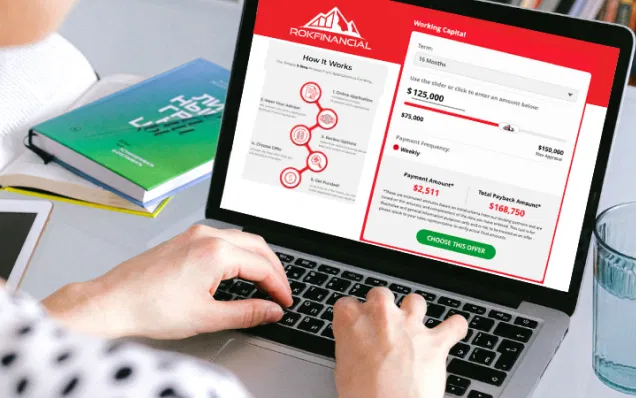
FMC’s offer calculator is designed to show important details before you commit, including:
- Payment amounts
- Repayment terms
- Total repayment expectations
- Available funding options
- Estimated costs
Compare offers carefully. Look beyond the funding amount. A financing option should fit your cash flow, not just look attractive on the first screen.

How to prepare for a working capital loan
Ready to move from “maybe” to “let’s see”?
Prepare these basics:
- Recent business bank statements
- Government-issued photo identification
- Business formation details
- EIN and business address
- Ownership information
- Business bank account and routing details
- Monthly revenue information
- Current debt or financing details
- A short explanation of how you will use the funds
Then take these smart steps:
Define the cash flow problem.
Identify the exact gap, deadline, and amount.Gather complete documents.
Missing information can slow down a fast application.Apply early when timing matters.
Same-day funding depends on approval, complete documentation, cutoff times, and bank processing.Review the full offer.
Examine payments, fees, repayment frequency, and total cost.Test the payment against real cash flow.
Use conservative revenue estimates. Hope is lovely. A repayment plan is better.Choose the product that matches the need.
Working capital, a line of credit, factoring, equipment financing, and SBA loans serve different purposes.
When should you avoid working capital financing?
Working capital loans can help solve a temporary squeeze. They should not hide a permanent problem.
Pause and review your numbers if:
- Revenue has declined for several months
- You are borrowing to repay previous financing
- Daily or weekly payments would strain payroll
- The business lacks a clear path to repayment
- The financing cost is higher than the expected benefit
- You are unsure how much you owe in total
A smaller loan may be safer. A different product may be smarter. Professional accounting advice may also help you understand the full picture.

Turn a cash flow wobble into your next move
Cash flow pressure can feel loud.
The right financing strategy can make it manageable.
Working capital loans may help you:
- Keep operations humming
- Protect important relationships
- Take on valuable work
- Prepare for a busy season
- Invest in practical growth
- Replace panic with a plan
Explore your options through FMC’s business financing application. The online process is designed to help you review potential funding options, understand the terms, and choose the path that best fits your business.
Apply thoughtfully. Compare carefully. Grow confidently.
Financing availability, approval, rates, fees, repayment terms, and funding speed depend on business qualifications, lender criteria, documentation, and other conditions. Review all offer details before accepting financing.
Keep exploring